







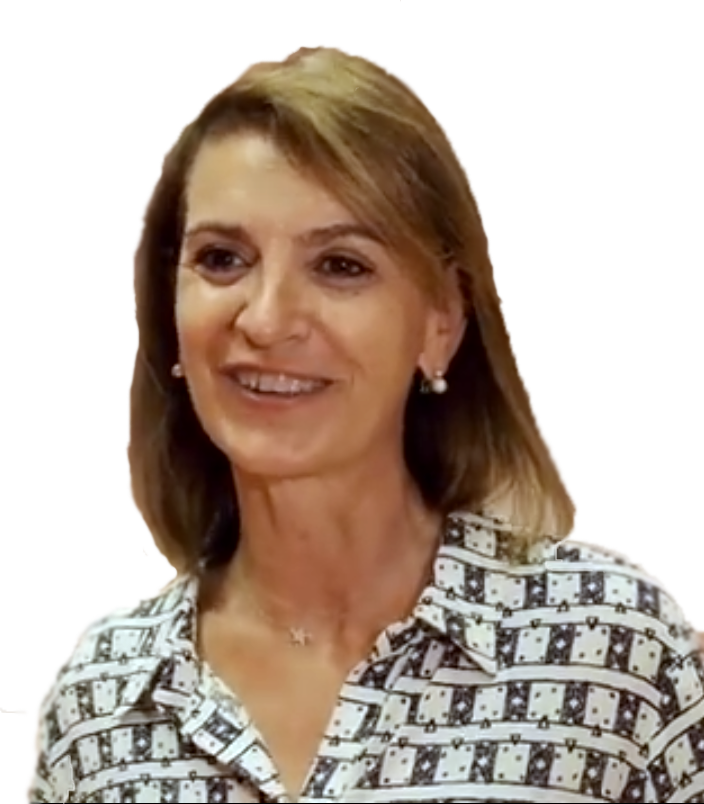
Anna Vilarrodona
Learn about our goals, meet our people
Coordinate project’s activities and outcomes
DESCRIPTION
The work of the WP will focus on planning, controlling and coordinating, to assure that the project activities meet project goals, requirements and milestones.
WP1 will be also responsible for the coordination of work required to formally establish EGALiTE. This will be done by coordinating the discussions between beneficiaries, Collaborative Partners/external experts, professional societies and other relevant EU organisations (CoE/EDQM, CoRe SoHO, IES etc.).
Throughout the project, the WP1, in collaboration with WP3, will also ensure the constant monitoring of the contents of the different deliverables, in order to ensure consistency with the relevant regulations and prior EU initiatives.
Due to its nature, all beneficiaries will contribute to accurately achieve the goals, and comply with the responsibilities defined for this WP
Responsible for aspects related with project’s image and promotion
DESCRIPTION
The work of WP2 will be responsible for aspects related with project’s image and promotion, making the results and deliverables, available to the stakeholders and a wider audience
Collect and analyse information related with project’s progress, activities and outcomes.
DESCRIPTION
Collect and analyse information related with project’s progress, activities and outcomes. Task shall be implemented according the Evaluation Plan
Coordination and reporting of pilot actions
DESCRIPTION
WP4 will start their work as soon as the different EGALiTE’s outcomes are available.
WP4 Leaders will be responsible for coordinating
the pilot actions of EGALiTE, putting in practice the accreditation system, and the execution assistance programmes (the use of the future BCT Database will supervised by the WP6).
Spanish stakeholders are expected to have a major role in the execution of actions of this WP, considering:
ONT and AEBT’s roles in the Spanish Tissue Plan (Plan Nacional de Tejidos);
CAT Foundation’s extensive experience in the accreditation of national (Spanish) BE;
Active participation of several experts in prior Technical Assistance Programs (TAIEX, Twining Projects, etc).
The work of WP4 shall validate the accreditation procedures defined by WP5, by:
– selection of accreditation and technical assistance requests, submitted by partner and non-partners organisations;
– preparation and organisation of actions (selection of experts/auditors to participate, schedules and audit/action plans, gathering relevant technical data to be known and assess by the experts/auditors, etc);
– Supervision and issuing actions’ reports.
European Accreditation Program, E-learning & Training Programs
DESCRIPTION
The WP5 will structure its work in different working groups responsible for the definition of documents (incl. audit guidance, and template reports, certificates, contents of training programmes for the different profiles of SoHO staff), integration strategies with other accreditation programmes in place (national or supra- nationals), and procedures applicable to different SoHO activities, namely:
• Registers of HSC donors;
• Blood Collection Sites;
• Tissue Donor/Procurement Centres;
• BE (including sub chapters for the
different Blood Components);
• TE (including sub chapters for the different types of Tissues based on EDQM Guide Monographs).
Members of the working groups will structure the contents (good practices) of the EUBTCD, EDQM guides, JACIE and WMDA standards as assessment template reports, distinguishing between critical, major and minor requirements, and their standard reporting of compliance status.
Similarly, standardized certificates will be defined to identify the activities and BTC handled by the different services (terminology/data harmonized with the future BTC database).
A common accreditation platform will be configured to evaluate the specific requirements of the different SoHO organisations.
Define a BTC Database to gather information related to resources and technical capacity
DESCRIPTION
Partners involved in the WP6 will define the requirements, and functionalities of a new BTC Database able to gather information related with the resources and technical capacity (preparation processes, facilities and techniques available, volume of activities – from donation to distribution, etc.) available in the different Member States. The starting point for the development of such tool, will be the T&C Database already developed by the EuroGTP II project. The T&C Database will therefore be upgraded with information related with Blood and BE’s activities, more details related with the technical capacities of the BE/TE, and functionalities which will optimize the contact and collaboration among stakeholders.
The technical specifications and requirements of the BTC Database will be defined by the beneficiaries and collaborative partners (namely, professional societies) to ensure harmonization of data and its utility, avoiding redundant data and optimizing the use of functionalities with real world data.
Identification of potential types of crisis situations
DESCRIPTION
The information gathered in this study will be shared and used by all technical WPs (6, 7 and8).
The study aims to:
– Define situations / scenarios what would require a contingency plan.
– Determine the existing state of affairs, with regard to availability, accessibility, sufficiency of SoHO in different Member
States. We aim to identify potential scenarios of crisis (based on real experiences and hypothetical scenarios), management procedures and corrective measures implemented by the different Member States, Considering the complexity of SoHO activities, the large number of stakeholders involved, and the differences seen in the implementation and enforcement of the EUBTCD at the local level, it will not be possible to assess the status quo of all SoHO activities at Member States level.
Nevertheless, the study aims to provide an overview of the status quo of the key activities, and will assess (at least) the activities in the 8 Member States of the consortium, and professional societies that collaborate with EGALiTE consortium. To perform this study, the WP7 will:
• Assess existing initiatives (e.g., EBMT’s COVID-19 Task Force and Nuclear Accident Committee) and other EU organisations (ECDC, CoE, etc);
• Design the study (surveys, identify the actors, define the strategies and structure) in order to gather all relevant information from the stakeholders – 1 face-to-face meeting and 2 virtual meetings;
• Perform real time interviews, questionnaires and surveys will issued among key SoHO stakeholders (including PO, BE/TE, CA, professional societies and end users);
• Use the data published in the EU Tissue and Cell Product Compendium, data provided by the Professional societies (EBA, EATCB, EEBA, EBMT), and information published in the annual reports of Hemo- and Biovigilance issued by the CE;
• Consider the findings of prior studies promoted by the CE, namely: Study supporting the evaluation of the EU legislation on Blood and Tissues and Cells (2018); Economic landscapes of human tissues and cells for clinical application in the EU (2015).
Procedures to implement a Technical Assistance Programme
DESCRIPTION
The WP8 will define the procedures to implement a Technical Assistance Programme for the public organisations – PO, BE, and TE – of the EU Member States. The goals and methodologies of this future programme will be inspired by the
successful TAEIX programme of the CE. WP8 will therefore be responsible for translating the existing programme into EU reality, and determine the standard costs, the expect volume of annual activities foreseen, the number of organisations and experts required, the procedures for application and the coordination of responses to me managed by EGALiTE once the project is finalized.
Thus, the technical assistance activities might address a standard assessment of all the activities associated with the SoHO supply chain in order to build up a sufficiency plan:
– Donation
– Processing
– Management of stocks (distribution)
– Impact for patients
The methods proposed will consist in a multidisciplinary assessment of the technical, scientific, economic, ethical and social aspects inherent in the use and preparation of BTC, and assist the decision-making process of responsible persons and CA officers.
This task implies the discussion among partners (1 technical meeting) and the drafting of rules and procedures to be implemented in the pilot actions promoted by WP4 (and by EGALiTE once the project is finalized). Several virtual meetings will be held to prepare this deliverable.
Director of the Barcelona Tissue Bank.
Medical Doctor, with more than 15 years of experience in SoHO activities, has collaborated with the CoE, Catalan and Spanish Health Ministry and participated in different working groups for development of good practices, standards and regulation associated with SoHO. Experience in several other European initiatives and organisations, such: EATCB, Twinning Projects, and previous EU projects.
Anna Vilarrodona
Login now and access private area content